
Aluminum CNC Machining: Everything You Need to Know
Aluminum starts out as a versatile metal, but it rarely fits real products in its raw form. Engineers and buyers need tight dimensions, clean surfaces, and repeatable features—things you only get after precise machining.
That gap creates friction in sourcing. If you choose the wrong alloy, toolpath, or finish, you can end up with chatter marks, warped thin walls, built-up edge on tools, or parts that fail fit-up during assembly. Those problems waste time, drive up scrap, and slow down RFQs.
In this guide, I’ll explain what aluminum CNC machining involves, where it performs best, and which decisions matter most before you release a drawing. You will also learn practical ways to control cost, quality, and lead time.
What is Aluminum CNC Machining?

Aluminum CNC machining is the use of computer-aided machines to cut, drill, turn, or mill aluminum sheets and pipes into components and parts befitting for different industries. It requires the use of high-quality alloys with the great properties that will give you the best results.
Types of Aluminum Suitable for CNC Machining
These are the three major types of aluminum alloys that can be machined:
Cast Aluminum Alloy
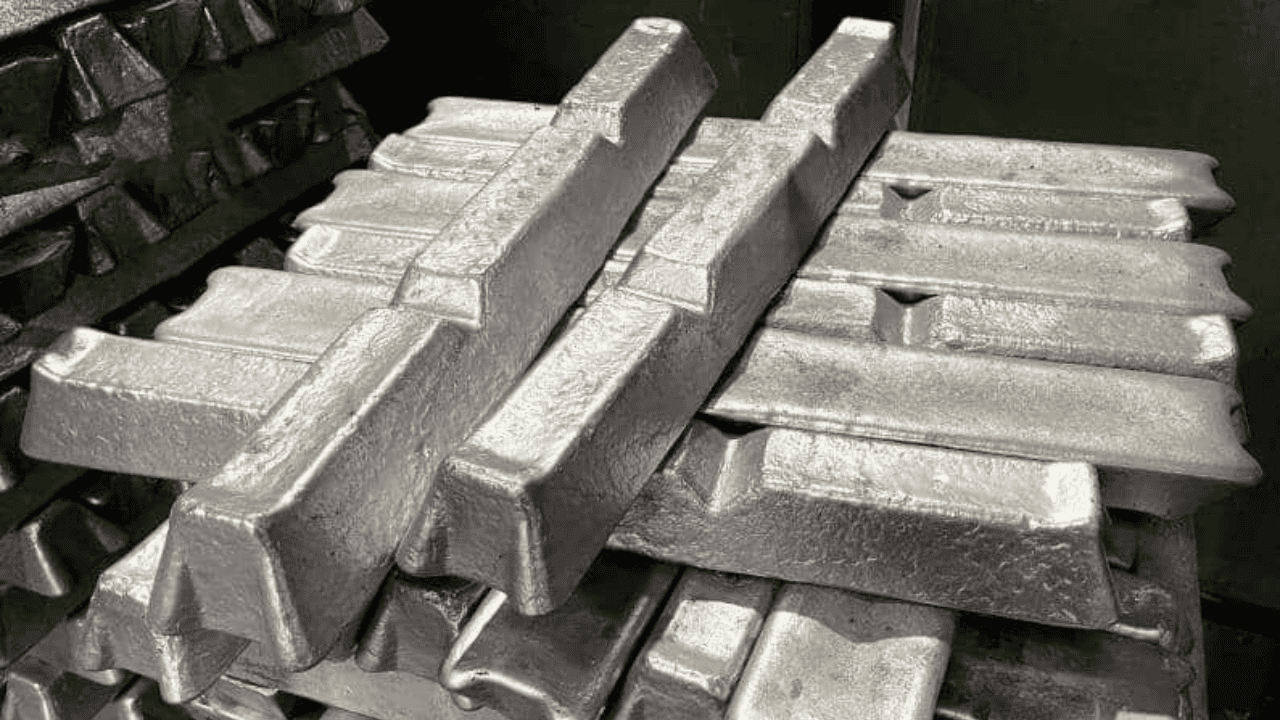
Cast aluminum alloy is an alloy formed by melting aluminum, molding in liquid form and allowing it to solidify. It derives its name “cast” from its molding capacity, allowing it to take a wide range of forms and shapes.
These kinds of alloys are affordable, strong, and lightweight but with poor stretching ability compared to lithium and wrought aluminum alloys. It is primarily of interest to the automotive industry. Examples of CNC aluminum parts formed with cast alloy are car, and engine parts, structural components, kitchen utensils, and even dental casting alloy.
Aluminum Lithium (Al-Li) Alloys

Aluminum lithium alloys are alloys formed from a combination of aluminum and lithium, a soft and very light metal. This alloy’s lightweight feature, in combination with their high strength, corrosion resistance, and low density, piques the interest of aerospace industries in the making of fan blades and fuselage.
An essential material characteristic of the Al-Li alloys is their resistance to Fatigue Crack Growth (FCG) in comparison to standard aluminum alloys. Its FCG performance makes it an asset in aircraft designs as it uses fewer materials for the same level of safety margins.
Wrought Aluminum Alloys
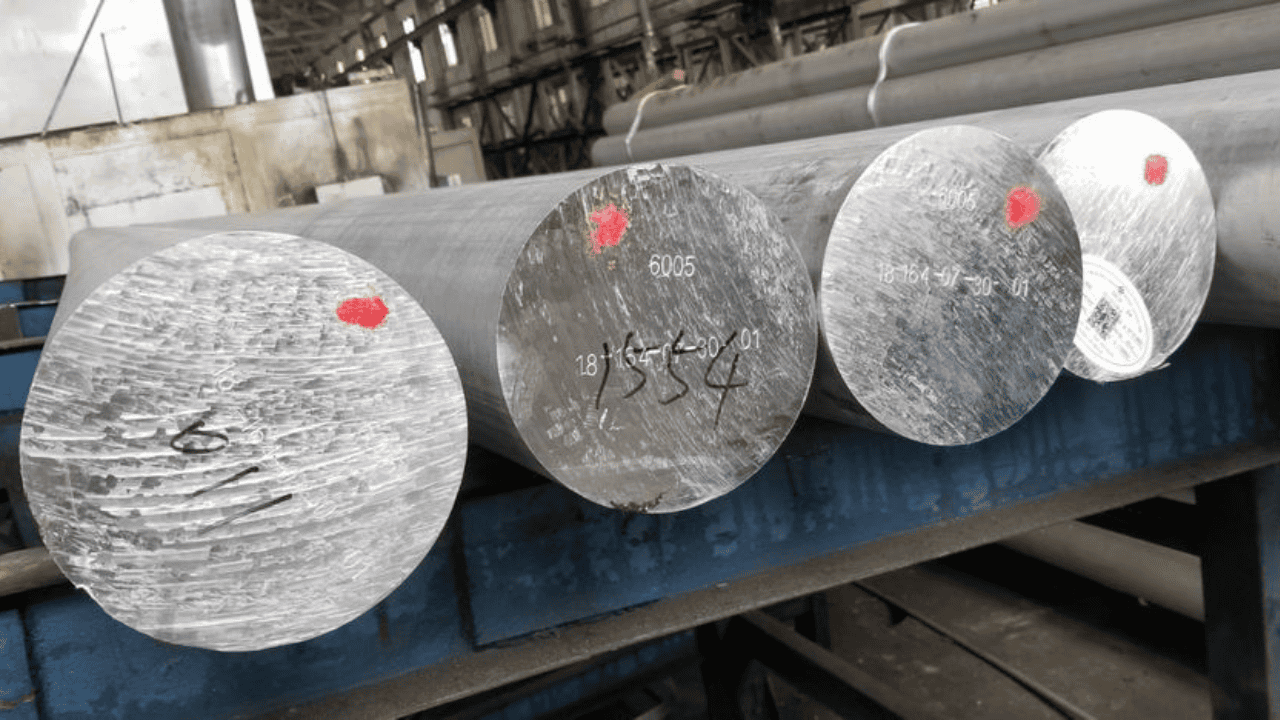
Wrought aluminum alloys are alloys formed primarily from aluminum in its solid form. It is the opposite of cast aluminum alloys, molded in their liquid state. Wrought aluminum alloys are the most used materials in CNC machining aluminum because of their unique mechanical properties. Their composition accounts for over 80% of aluminum.
The formation of wrought aluminum alloys is through processes like rolling and forging. Examples of aluminum machining parts created with wrought aluminum alloys are gas turbine blades and engine casings.
Common Process Used for Aluminum CNC Processing
There are several explorable techniques in the aluminum CNC machining process, each having its degree of relevance. Some of these processes occur during active machining and others during the aftermath. They include the following:
CNC Milling
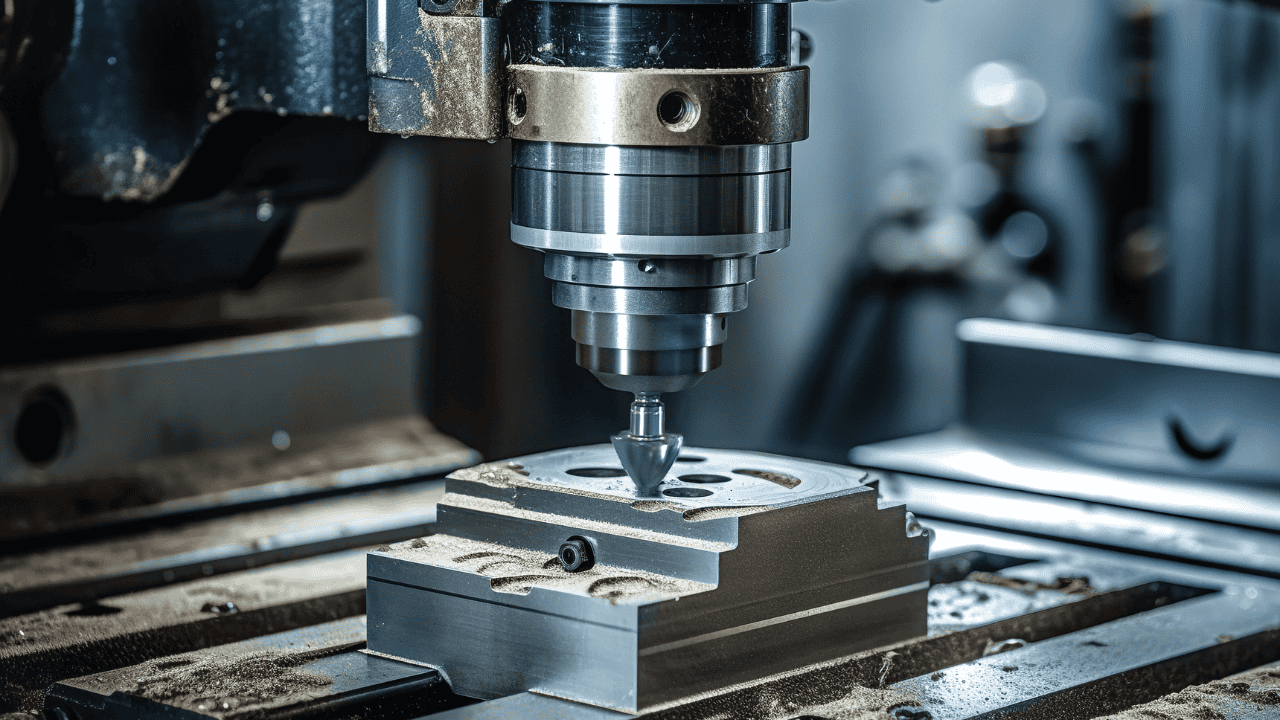
The CNC milling process is done by rotating the cutter around the material you intend to use to fabricate your aluminum CNC parts. The cutter effectively removes chips off the surface of the material until you get the shape you desire. Materials cut through aluminum CNC milling include automotive parts, aerospace parts, and medical devices.
CNC Drilling
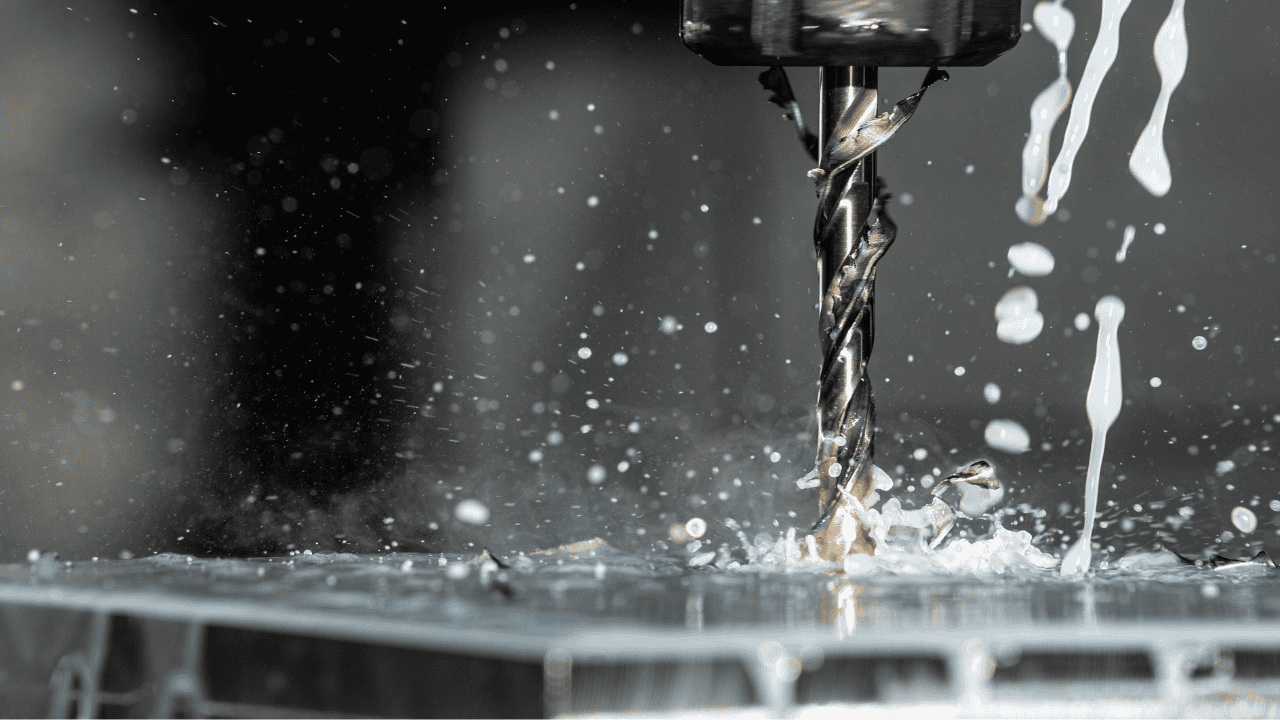
CNC drilling is a common process in CNC aluminum machining involving the use of computers to control drill bits to perforate materials. The perforated holes are vital in setting up machines needing bolts and screws. At other times, the goal is to create cavities in parts as needed in various industries.
CNC Turning

This type of CNC aluminum machining process involves the cutting of materials while the aluminum cutting tool rotates at a fixed position. This technique is often used for the production of complex parts. Materials produced using aluminum CNC turning include machinery parts and rivets.
Pocketing
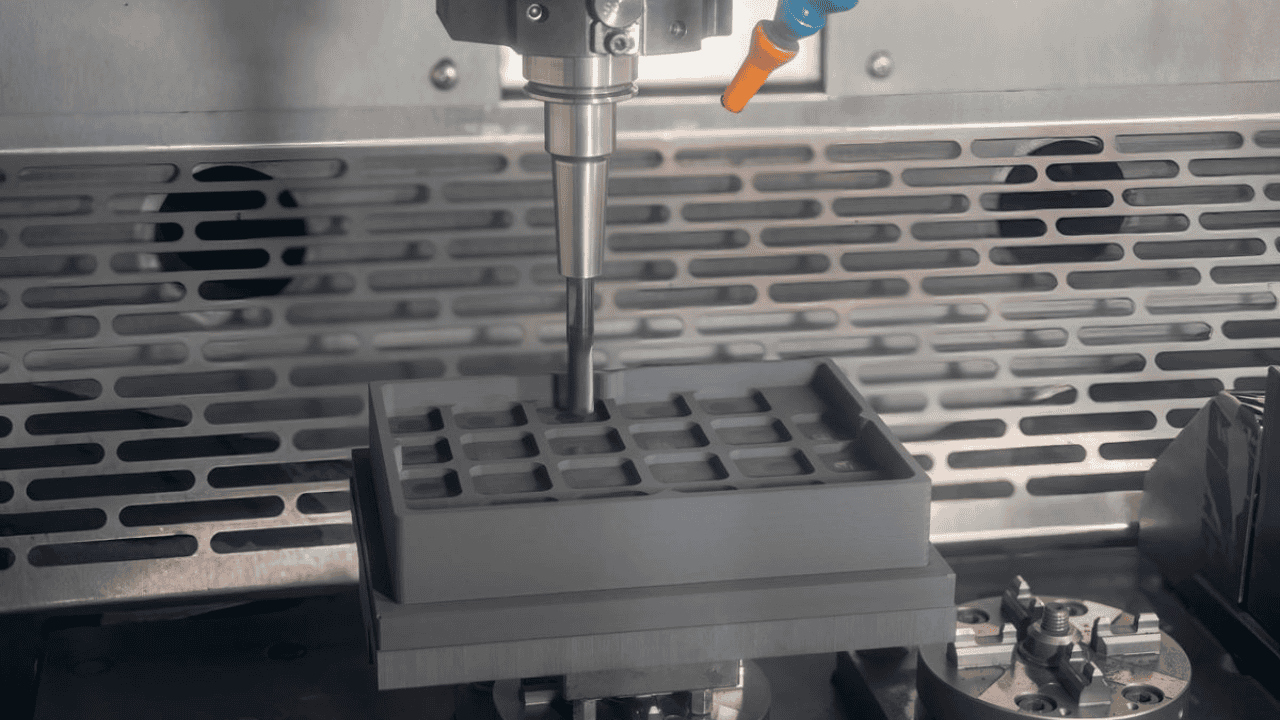
Pocketing is a form of CNC milling where a CNC machining tool creates a pocket-like cut, meaning the cut doesn’t go all the way through. It is typically used in manufacturing industries to reduce the weight of materials while retaining their strength and durability.
Facing
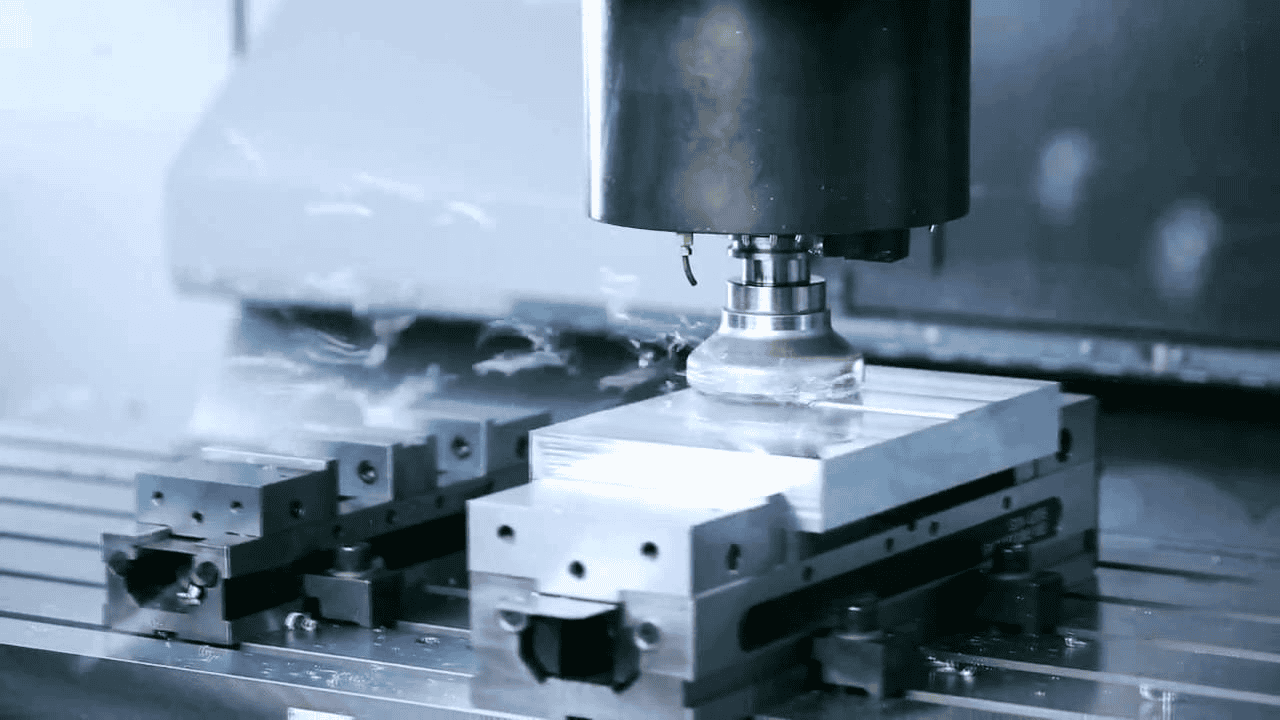
Facing is the creation of flat surfaces through either face milling or face turning methods. In face milling, your workpiece rotates against the cutter, which is the reverse in face turning.
Post-machining Processes
Most machines need an extra finishing process to enhance their quality. These finishing processes are called post-machining processes, and there are several of them. Some of these processes improving the physical and mechanical features of the aluminum CNC machine parts are discussed below:
Bead and Sandblasting
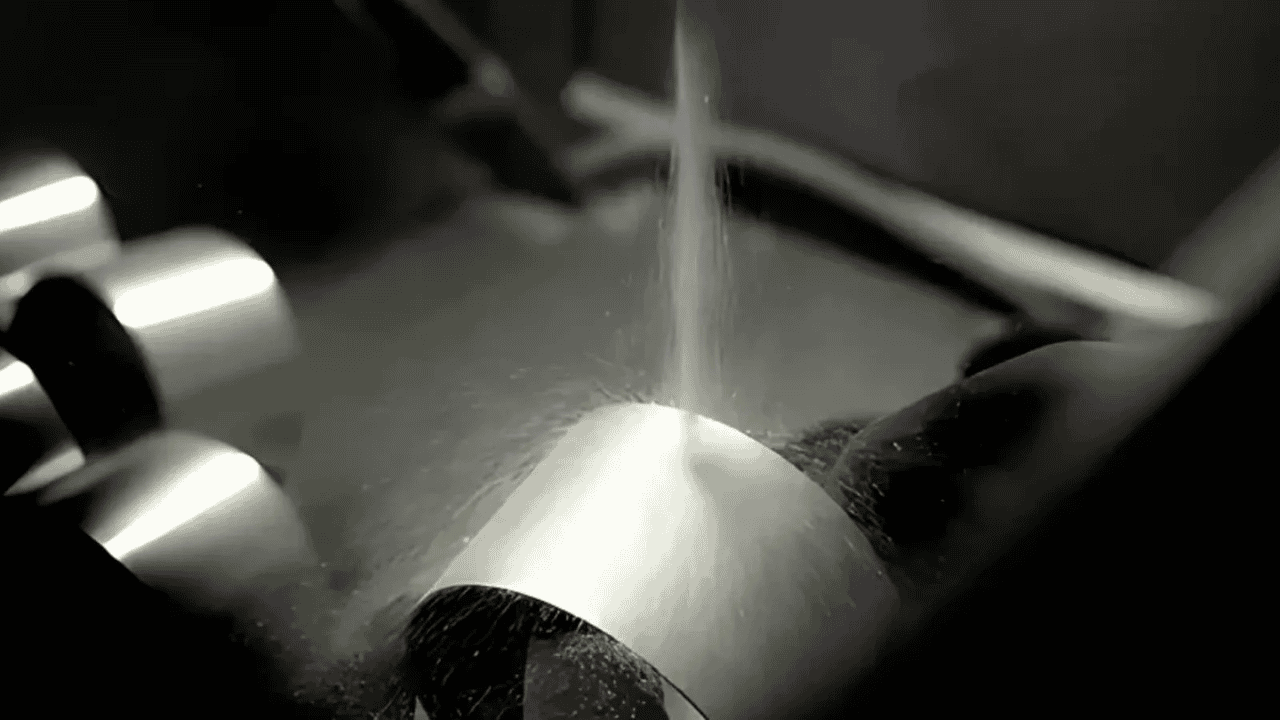
Bead blasting is an abrasive-type post-machining process that leaves the surfaces of CNC-machined aluminum rust-free and uniform. This process is carried out using high-pressure guns to blast tiny beads on machine surfaces.
Sandblasting is similar to bead blasting, except that sandblasting is more aggressive in the size and texture of materials used. In this case, silica, sand, and related items are blasted to the target surface.
Coating
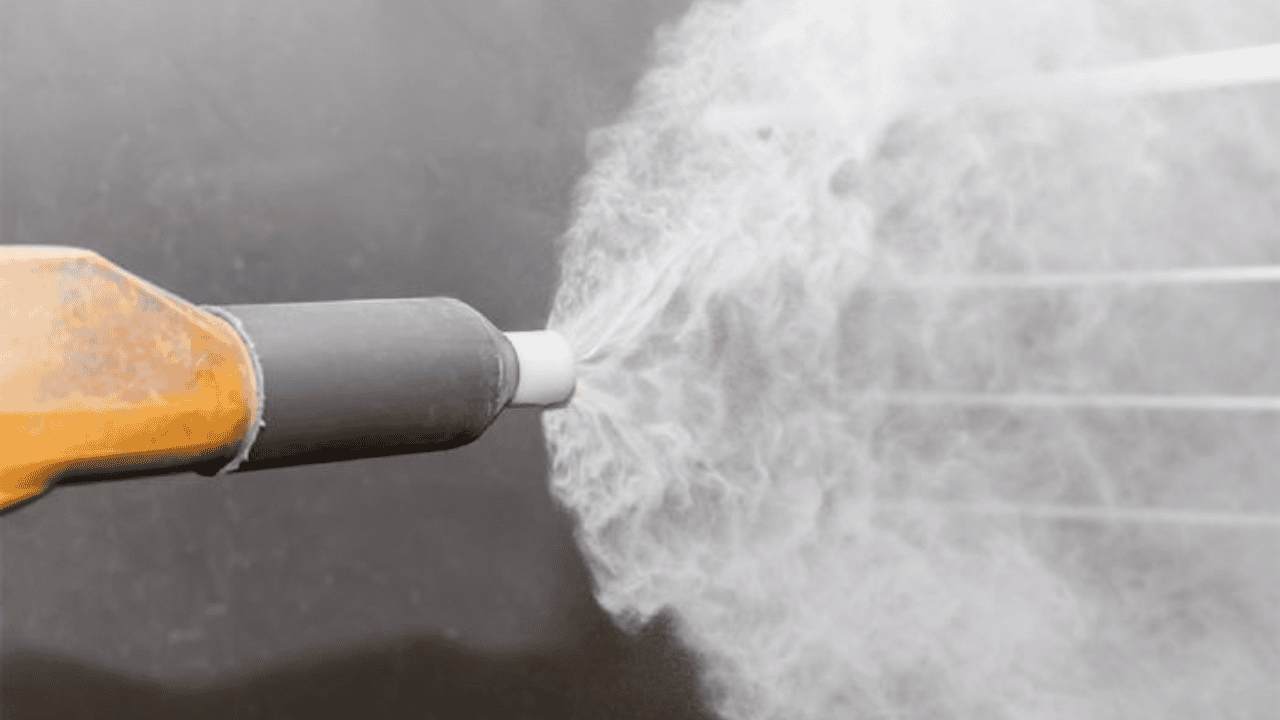
Just as the name implies, coating means covering. Coating as a post-machining process is the covering of CNC aluminum parts with another material like zinc. The aim of coating is to enhance the beauty and function of aluminum machine parts.
Anodizing

Anodizing is a finishing process involving the use of an electrolyte solution. The material is dipped into this solution and when current is added to the solution creating a reaction, the material changes in colour and its resistance to oxidation is boosted.
Powder Coating
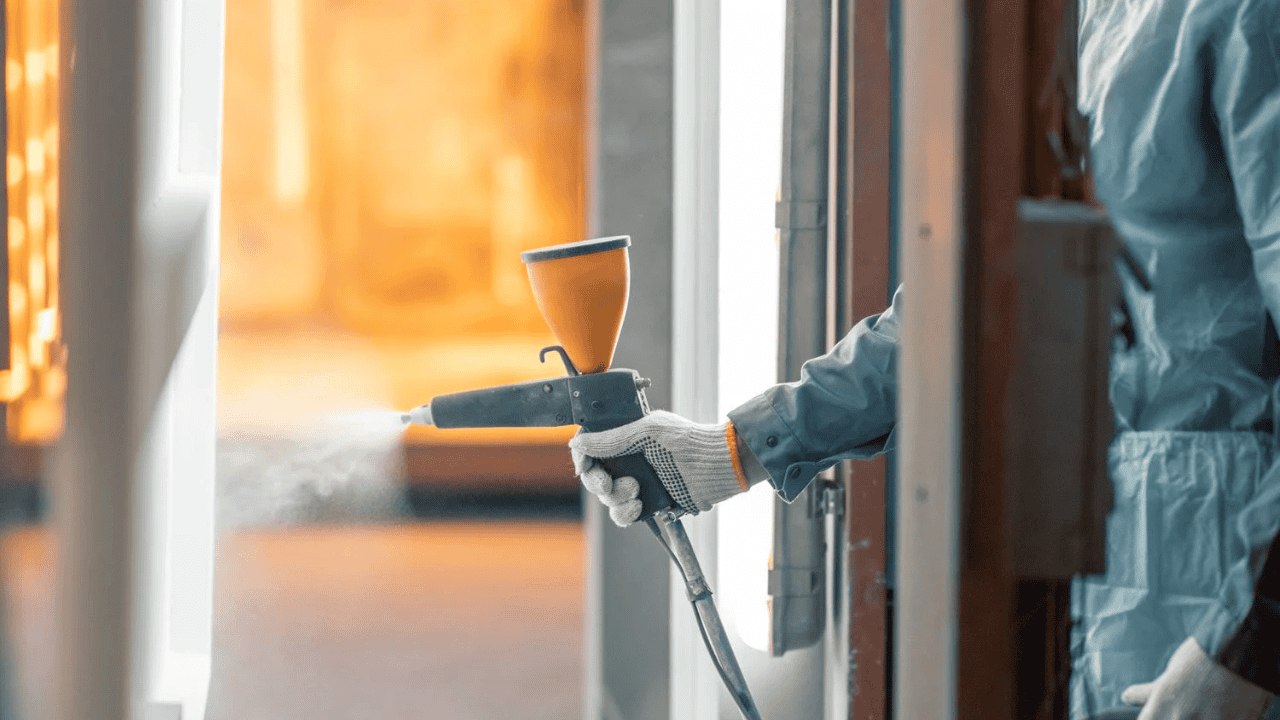
Powder coating basically means using powders like nylon and TGIC Polyester to cover metals in industries. To complete powder coating, the metals coated need exposure to heat at a temperature of over 150 degrees celsius, forming a permanent layer of paint.
Heat Treatment
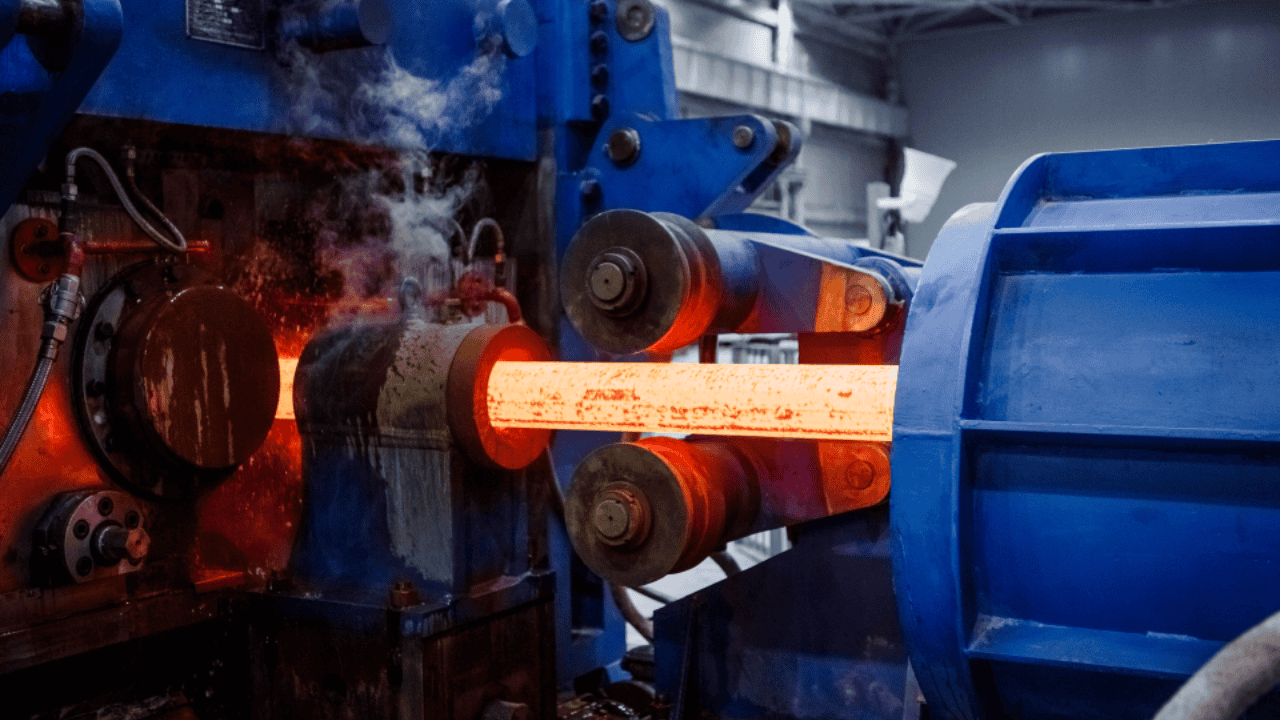
Heat treatment is the controlled heating and cooling of metals. As a post-machining process in CNC aluminum machining, heat treatment is essential for aluminum alloys in the improvement of their strength and toughness.
Benefits of Using Aluminum for CNC-Machined Parts
Aluminum, being a soft and malleable metal with the lowest density among other common metals, has so many beneficial properties. In this section, we will discuss the benefits of using Aluminum for CNC-machined parts
1. Good Strength-to-weight Ratio
Strength-to-weight ratio is the comparison between the strength and weight of a metal. Typically, you’d believe a metal with high strength ought to have an equal corresponding weight, but that isn’t the case with Aluminum.
Industries like automotive, aerospace, and electronics rely on the high strength and low weight of aluminum in the manufacturing of several parts, such as jet wings, car engine parts, radiators, and much more.
2. High Machinability and Malleability
Machinability and malleability are measures of the ease at which metals are cut and shaped to satisfaction. Aluminum is highly machinable and malleable, making it easy to cut and beaten into different shapes to create CNC aluminum parts.
3. Electrical Conductivity
Electrical conductivity simply means the ability of a material to conduct or resist an electrical current. This innate ability of Al to conduct electricity makes it an asset in the creation of some CNC machined parts.
4. Performance at Low Temperatures
Studies have proven that a wide range of CNC machined parts have decreased functions when exposed to low temperatures; aluminum, on the other hand, retains its ductility when exposed to extremely low temperatures.
5. Corrosion Resistance
Corrosion resistance for CNC machined parts is the ability of a metal to resist degradation of its physical properties. Aluminum and aluminum alloy used for CNC machining has different grades with varying corrosion resistance rates. The 1000, 5000, and 6000 series of Al alloy have great corrosion resistance.
6. Non-Toxic
Metals can be toxic or non-toxic. Toxic metals cause harm to humans even at low concentrations, while non-toxic metals don’t cause harm unless the concentration is very high. Aluminum has zero toxicity. However, when consumed, it can be poisonous.
7. Recyclability
Aluminum is a recyclable metal. Its recyclability feature makes it an environment-friendly material. Being the most recyclable metal in the world, today aluminum could be used as a car engine part and tomorrow it’s used as jet wings, all while retaining its quality and functionality.
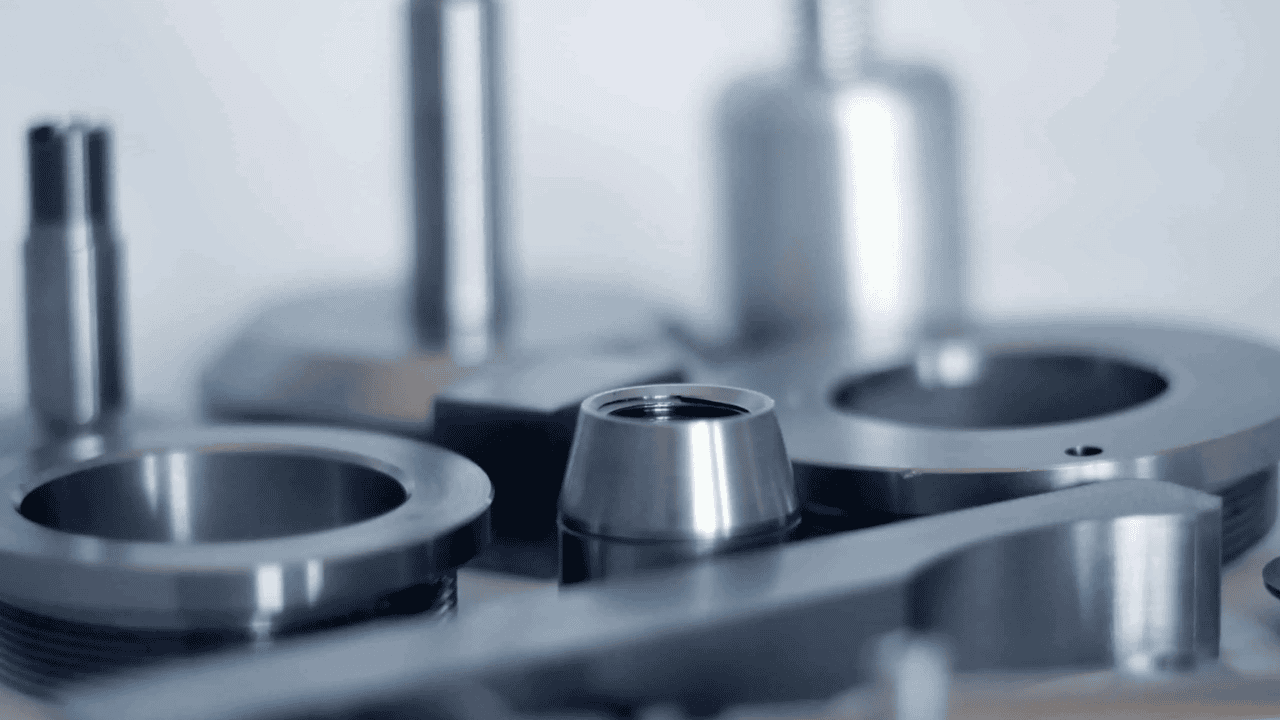
Factors to Consider During Aluminum CNC Machining
Top of these factors are as follows:
Type of Aluminum Material
Different alloys have their peculiar properties and best use case. For instance, aluminum materials like 6061 and 7075 aluminum alloy are similar but have significant differences from one another. You need to research the physical, thermal, and chemical properties of each alloy and select the one that can give you the right results.
Tool Design
Aluminum CNC design refers to the proposed appearance, structure, and composition of the finished aluminum CNC part you have in view. The design of the tool will determine the processes you will follow to give the results. That’s why it’s important to have a 3D drawing on the product before you commence machining.
Cutting Speed and Feed Rate
If you get this wrong, you may end up getting a tool part with poor finishing. It’s noteworthy that the thickness of the aluminum sheet also determines the cutting speed and feed rate to incorporate.
Helix and Clearance Angles
Helix and clearance angles show the degree of alignment of the tip and shaft of the cutting tool to the workpiece. Together, these angles have a direct effect on how large a cut can be and whether or not there would be friction. The helix and clearance angles must be set properly in tandem with the type of parts you want to achieve.
Coolant and Lubrication
Coolants and Lubricants are synergists that aid aluminum CNC machining processes. Coolants reduce generated heat while Lubricants reduce friction. Both aim to improve the durability of the cutting tool used for CNC aluminum parts. They also help to enhance the surface finishing of the parts.
Chip Evacuation
Chips are often created during the machining process. Chip evacuation is simply the removal of these chips formed, for the improvement of performance and the elimination of wear and tear.
Tolerance and Precision
Here, tolerance and precision refers to the degree of accuracy of each cut on the workpiece from the cutter. A high tolerance setup will lead to more errors in your work. In fact, drilled holes can become so slack if you don’t prioritize precision. Several factors go into play to achieve this. Hence, it’s important you take them into account.
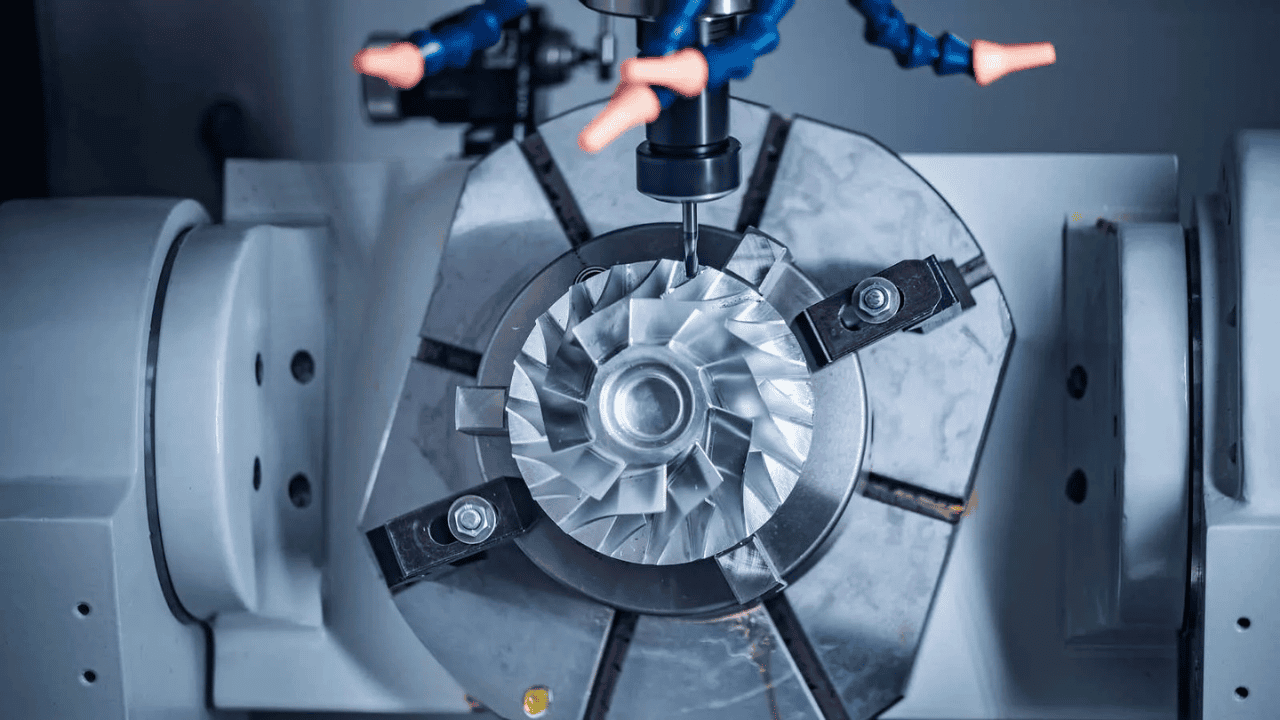
Key Challenges in Aluminum CNC Machining
As everything in the world today has its advantages, they also have disadvantages. Here, we will look at the key challenges in aluminum CNC machining:
Aluminum’s Malleability
Aluminum malleability serves both as an advantage and disadvantage. As a disadvantage, its high malleability can result in deformation of the machine and reduced tool life. A solution to this is to increase the strength of the aluminum through aluminum alloy CNC machining when you combine aluminum with other metals like zinc, silicon, and magnesium.
Thermal Issues During Machining
Thermal conductivity in machining is the measure of a machine’s ability to conduct heat. Aluminum has high thermal conductivity, meaning it releases heat very fast, leading to machine inaccuracy and inefficiency.
Wear and Tear of Machining Tools
Wear and tear is the gradual degradation or damage to the physical and mechanical properties of machines due to friction. A solution to this is the coating post-machining process, to avoid close parts from rubbing off on each other, causing friction.
Application of CNC Machined Aluminum Parts
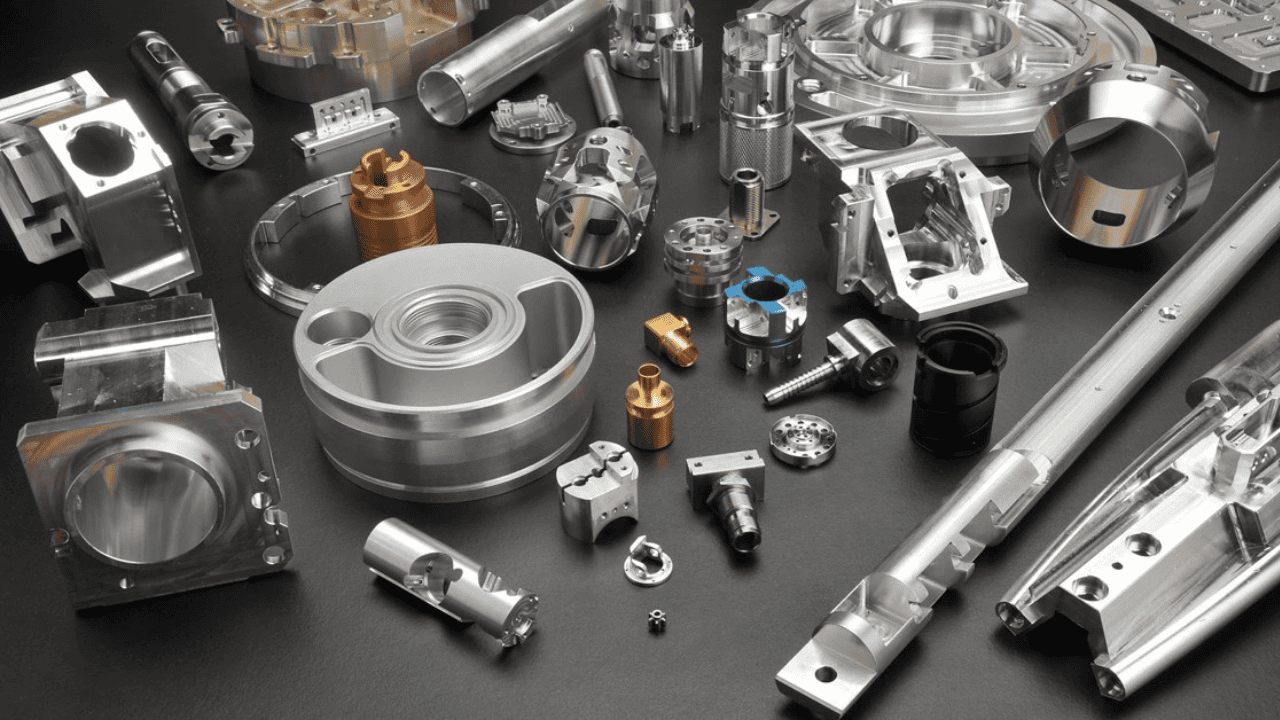
CNC machined aluminum has unique features that pique the interest of manufacturing industries. Here are some applications of CNC aluminum machine parts:
Food/Pharmaceutical
The applications of aluminum CNC parts in this industry cannot be overemphasized. Primarily, they are used for processing of organic raw materials. In fact, most machines in food/pharmaceutical industries today are created from CNC machined aluminum parts.
Automotive
Aluminum CNC parts find a wide range of applications in the automotive CNC industry. Predominantly, they are used for making wheels, engine parts, and exhausts, among others.
Aerospace
The aerospace industry prioritizes strong lightweight machine parts that make it easy for aircrafts to lift up and stay in the sky. Hence aluminum CNC parts come in handy in the production of aircraft fittings like jet engines, fuselage, and landing gear.
Cryogenics
Cryogenic in machining is the study of the effect of machines when faced with zero or low-temperature exposure. Aluminum CNC machining is relevant here because most metals, excluding aluminum and titanium, lose their strength and ductility at extreme low temperatures.
Sports
CNC aluminum machining parts are used in making many sports equipment because of their good corrosion resistance, lightweight, and durability. Sports equipment created with aluminum CNC parts are goal posts, dumbbells, golf clubs, etc.
Conclusion
Aluminum is the most widely used common metal, allowing for its broad adoption in various industries in making aluminum CNC machining parts. At HM, we fabricate the best machines using these aluminum materials. You can contact us today to get the best CNC machining parts.