CNC Auto Parts

CNC-machined automotive components for prototype, test, aftermarket, and production support, with attention to repeatability, materials, and assembly interfaces.

CNC Auto Parts

Automotive machining for rapid iteration and dependable repeatability.

Automotive programs often require a quick path from design revision to testable parts, followed by repeatable production once the geometry is validated. CNC machining supports that transition by using programmable processes and fixtures that can be refined as demand increases.nnMaterial and finish choices are matched to heat, vibration, fluids, wear, weight, and cosmetic needs. Inspection focuses on mounting patterns, sealing faces, alignment features, and other interfaces that affect vehicle or system performance.
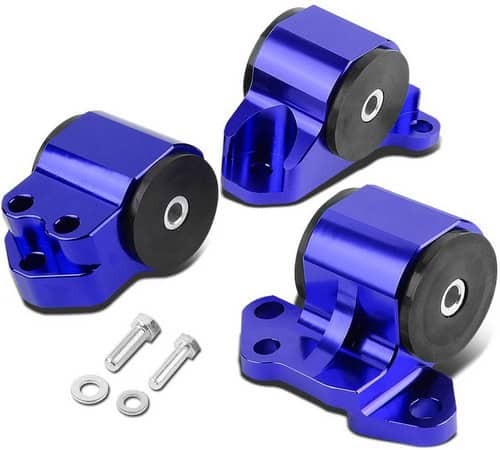

Automotive part categories

Engine and drivetrain fixtures

Sensor housings

Suspension prototypes

Brake-system hardware

Interior trim components

EV thermal parts

Test-rig adapters

Custom brackets

By Manufacturing Stage

Prototyping

Machined prototypes allow rapid validation of fit, thermal behavior, and functional interfaces before tooling investment.

Low-volume production

Documented programs and fixtures provide repeatability for specialty, aftermarket, and limited-run programs.

Production support

Replacement parts, gauges, and line fixtures can be made to maintain and improve established assembly processes.

Custom engineering

Design feedback identifies practical tolerances, accessible toolpaths, and cost-effective material forms.

By Material Selection

Aluminum alloys

Used for lightweight housings, brackets, thermal components, and structural prototypes.

Steel and alloy steel

Chosen for load-bearing, wear-resistant, and high-strength automotive hardware.

Stainless steel

Appropriate for corrosion-prone fluid, exhaust-adjacent, and exterior components.

Copper and brass

Useful for electrical terminals, thermal parts, fittings, and special fluid-system components.

By Program Benefit

Production speed

CNC programs shorten the route from approved CAD to a dimensionally controlled component.

Repeatability

Defined tooling, fixturing, and inspection reduce variation across a batch.

Accuracy and precision

Critical bores, sealing surfaces, and mounting datums are held to the dimensions required by the assembly.

Customization

Part-specific geometry and finishes can be adjusted without the dedicated tooling lead time of high-volume methods.

Get your free quote

Ready to start your custom manufacturing project?