CNC Medical Parts

Machined medical components produced to drawing-controlled requirements, with traceable material selection, repeatable inspection, and scalable lot planning.

CNC Medical Parts

Medical machining for critical interfaces and controlled production.

Medical components often combine tight dimensions, fine surface requirements, and materials that must be suitable for clinical, laboratory, or diagnostic environments. The manufacturing plan should identify critical-to-function dimensions and the inspection records needed before production begins.nnFrom one-off development parts to recurring batches, process control focuses on burr removal, clean handling, consistent finishes, and documentation appropriate to the component risk and customer specification.
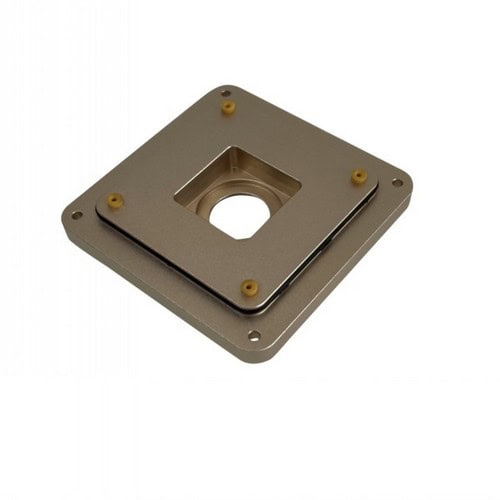

Medical component categories

Implant components

Surgical instrument parts

Diagnostic equipment housings

Micromachined features

Bone fixation hardware

Fluidic and pump components

Laboratory fixtures

Electronic medical enclosures

By Medical Product Type

Machined implants

Implant components such as bone plates, anchors, and connectors are made from specified biocompatible materials with controlled surfaces and dimensional interfaces.

Surgical instruments

Handles, jaws, guides, and articulated elements require durable geometry, cleanable transitions, and dependable assembly fits.

Electronic medical equipment parts

Machined housings, heat sinks, mounting frames, and connectors protect electronics while supporting serviceability and thermal management.

Micromachined components

Small features for probes, endoscopic assemblies, and diagnostic devices are made with tooling and measurement methods sized to the geometry.

By Production Requirement

Tight tolerances

Critical bores, mating faces, and alignment features are measured against drawing-defined datums and acceptance limits.

Flexible volumes

Prototype, pilot, and production quantities can use the same documented intent while fixtures and inspection scale with demand.

Portable assemblies

Lightweight, compact parts are designed around packaging limits, cable routing, battery space, and ergonomic use.

Fast development cycles

Early DFM review helps resolve inaccessible features, unrealistic wall sections, and inspection gaps before release.

By Material and Control

Titanium and titanium alloys

Used for high strength-to-weight and implant-oriented applications where the material specification calls for titanium.

Stainless steel

Common for instruments and equipment hardware requiring corrosion resistance, strength, and cleanable surfaces.

Aluminum alloys

Useful for lightweight diagnostic and laboratory equipment housings, frames, and thermal parts.

Inspection documentation

First article, dimensional reports, material certificates, and lot identification can be supplied when specified.

Get your free quote

Ready to start your custom manufacturing project?