Brass Parts

Custom brass machining for fittings, electrical hardware, decorative components, and precision turned parts with excellent chip control and finish potential.

Brass Parts

Brass parts engineered for machinability, corrosion resistance, and reliable interfaces.

Brass is a practical choice when a part needs efficient machining, good corrosion behavior, electrical conductivity, or a refined visible finish. Alloy selection is based on lead restrictions, strength, seawater exposure, joining, and the exact functional requirement.nnA good manufacturing plan pairs stable milling or turning with appropriate thread standards, wall thickness, plating allowance, and inspection of sealing or mating features.
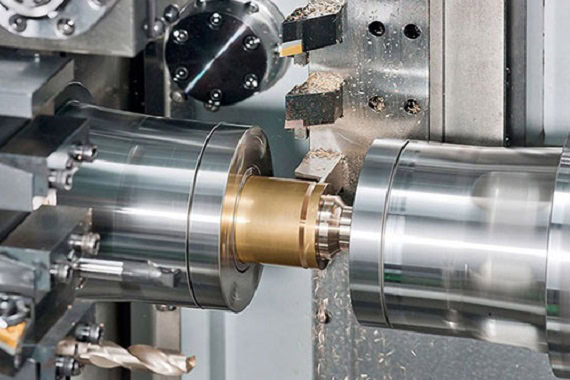

Typical brass components

Fittings and couplings

Valve and plumbing hardware

Electrical contacts

Bushings and bearings

Decorative hardware

Threaded adapters

Instrument components

Custom turned parts

By Brass Alloy

C360 free-cutting brass

A highly machinable choice for complex turned and milled parts where efficient chip breaking and accurate threads are important.

C464 naval brass

Provides strong corrosion resistance in marine and saltwater-related service.

C693 lead-free brass

A lead-free option for applications governed by material compliance or potable-water requirements.

By CNC Process

CNC milling

Forms pockets, flats, holes, and external profiles on blocks, plates, and forged blanks.

CNC turning and turn-mill

Produces concentric diameters, threads, cross holes, and secondary features in fewer handling steps.

Swiss and screw machining

Efficient for slender, high-volume precision parts such as pins, contacts, and small threaded hardware.

By Surface Finish

Nickel or chrome plating

Adds wear resistance, corrosion protection, or a bright decorative appearance; dimensions account for plating buildup.

Polishing

Produces a refined appearance for exposed hardware and instrument components.

Passivation or lacquer

Helps preserve appearance and reduce tarnish where the part will be handled or displayed.

Tin or gold plating

Supports specific electrical contact, solderability, or corrosion-performance requirements.

By Design Practice

Standard hole sizes

Using available drills, taps, and reamers improves consistency and avoids unnecessary cycle time.

Wall and pocket control

Avoiding very thin walls and deep narrow pockets protects rigidity during machining.

Thread definition

Calling out the standard, class, and engagement length early prevents fit issues at assembly.

Critical tolerances only

Apply tight tolerances to functional interfaces, leaving noncritical features practical to manufacture.

Get your free quote

Ready to start your custom manufacturing project?