
The Difference Between Roughing and Finishing in Machine

So much effort goes into creating unique machine parts with incredible precision. From material selection to shaping and the final finish, it requires great skill and care to produce only the best quality tools.
The process of shaping these tools is called machining. It involves several crucial steps to get the best results. Although they share some similarities, this article will properly outline the differences between roughing and finishing in machining. Let’s get started!
What is Roughing in Machine?
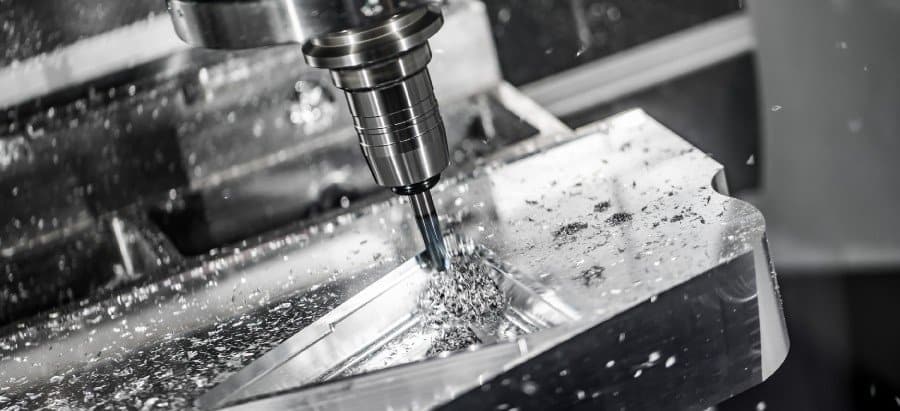
Once you place your desired material in the machine, it first goes through a process called roughing. Although the material still maintains a plain form, it often has markings and tracing of the shape you intend to carve.
Once the CNC roughing begins, the machine cuts off any blank space in an attempt to create the final shape. At this stage, there is no precision with the cutting; the goal is to remove as much material as possible. When the rough cuts are ready, they go in for finishing.
Benefits of Roughing in Machine
Although roughing creates a rough object without proper precision, it is still essential to the machining process. Some advantages of roughing in machining include:
-
- Quickly Identify Blank Spaces: It cuts off blank spaces and excess materials. When you pass the material through the final finishing, it can easily spot those spaces and smooth them out.
- Saves Time: The process removes a large chunk of the excess material and saves the time that would have been spent on intricate removal. With roughing, CNC machining can go by quickly.
- Material Saving: CNC roughing makes final shaping and filing easier. Without roughing, there’s a higher chance of wasting your material while attempting to give it your desired shape.
- Cost Saving: Once you have completed the roughing operation, you can complete machining in a few extra steps. That way, you can save the costs you would have channeled towards extra setup for additional processes.
- Extended Tool Life: Roughing reduces the chances of wear and tear on your material. In the end, you will produce a sturdy tool that barely needs replacement.
What is Finishing in Machine?
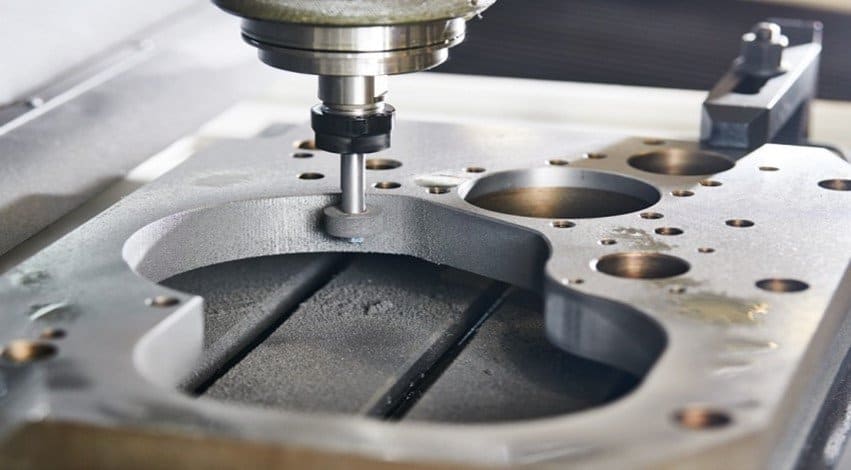
Finishing requires more precision as it delicately removes bits of material from some hard-to-reach parts. The process of finishing is slower and more controlled, so you can maintain laser focus and produce the best tools.
The finishing process alters a rough machined surface finish and transforms it into the smooth surface we know today. A good finish should leave your final product strong and ready for immediate use.
Differences Between Roughing and Finishing in Machining
Roughing and finishing are integral to machining; however, it is possible to confuse one for the other. Although both processes share a good number of similarities, they produce different results when it comes to machining. We will consider these differences with the following parameters:
- Purpose: One major basis for distinguishing between CNC roughing and finishing is the purpose. Roughing cuts out the excess material or blank space to give a semblance of the final product. The goal of roughing is to cut off huge chunks of the material and make it easier to form. On the other hand, finishing is a more delicate attempt at shaping and carving a material. The purpose of finishing is to remove the parts that roughing could not take off and leave a smooth, cured surface.
- Feed and Spindle Rate: Since roughing is a quick process, it requires a higher feed rate but a moderate spindle rate to complete its operation. The ideal feed rate for roughing falls within the range of 005 – 020 inches per revolution. However, the speed rate can comfortably fall to 6,000 rev/min. For CNC finishing, the ideal feed rate ranges between .002 – .004 inches per revolution. The spindle rate, on the other hand, is higher and can reach up to 10,000 rev/min.
- Cutting Rate: Undoubtedly, CNC roughing has a higher cutting rate to help it keep up with large-scale machining. Finishing has a more controlled cutting rate that helps it attain precision in shaping.
- Rate of Material Removal: Roughing cuts off the excess space in a material and has a higher rate of material removal. Finishing removes only small bits and pieces and, thus, has a lower material removal rate.
- Dimensional Accuracy and Tolerance: Since the goal of roughing is to remove the blank space on the material, there is no need for dimensional accuracy. It runs a free hand cut with poor adherence to tight tolerance levels. For finishing, however, a higher dimensional accuracy ensures precision in curing and shaping. It also has a good adherence to close tolerance levels to help it create the perfect finish.
- Surface Roughness: When a material goes through CNC roughing, there is no intentionality in creating precise dimensions and edges. The material usually has a rough exterior, and the edges often come out rough. Finishing, however, consistently produces materials with a smooth finish and little to no surface roughness.
- Cutting Tools: CNC roughing uses large cutting tools that can easily create cuts in the material with one strike. Finishing, however, creates minor lighter cuts and, as such, requires only fine-cutting tools.
- Coolant Use: During roughing, you run the risk of damaging the machine because of the heat it generates from aggressive cutting. To prevent this, a higher coolant use is needed to dissipate the heat and complete the process. Although finishing does not generate much heat, it still requires the use of coolants. The catch, however, is that you only need to use a small amount of coolant.
- Machining Sequence: In the ideal machining sequence, roughing comes before finishing. This is because you need to cut off the excess part of the material before giving it a smooth and final finish.
Tabular Comparison Between Roughing and Finishing
If you need more help understanding the differences between roughing and finishing in machining, this table has all the information you need!
| Roughing | Finishing |
| Higher feed rate | Lower feed rate |
| A higher coolant use is required. | A moderate coolant use is sufficient |
| Increased material removal rate (MRR) | Reduced material removal rate (MRR) |
| Poor dimensional accuracy and tolerance | Sharper dimensional accuracy and tolerance |
| Cuts off blank spaces on the material. | Achieves accurate dimensions by trimming off tiny bits of material |
| Rough surface finish | Smooth surface finish |
| Higher production efficiency | Lower production efficiency |
| Requires large, aggressive cutting tools | Requires light, delicate cutting tools. |
| High chip load on the cutter | Low chip load on the cutter |
| High cutting depth | Low cutting depth |
What to Consider When Roughing in Machining
Once you commence the roughing operation, you cannot reverse its effect or return your material to its original state. To avoid unnecessary waste and mistakes, you need to weigh the pros and cons of roughing while considering some important factors. Ensure you look out for:
- Machining parameters: Nothing improves a machine’s efficiency like the correct input and instructions. With the right settings, you can get the best out of the roughing process and complete it in no time. So, before you place your material in the machine, ensure you are familiar with the machining parameters.
- Types of Machine Tool and Control Software: The cutting and shaping tools are the major determinants of how smooth the roughing operation will be. Coupled with the right software, you can control the cutting tool and ensure a hitch-free roughing process. Be sure to understand and test-run the machine tool and control software before you start roughing.
- Heat and Cutting Fluid: Because of how aggressive roughing can get, the machine generates heat that can spread around it. Using an oil-based cutting fluid will cause the fluid to heat up and damage the material. To control the heat, ensure you use a liquid-based cutting fluid so it gives off a cooling effect.
What to Consider When Finishing in Machining
Once you have completed roughing, you need to pass the rough cuts through a thorough finishing process. Since this is the final stage, you should ensure that it compliments the roughing you have done and completes the machining process beautifully. As a bonus, be sure you look out for:
-
- Dimensional Accuracy: Some finishes can alter the dimension and overall appearance of the material. As you consider the finishing to use, choose one that would not alter the dimensional accuracy of your finished product.
- Cost: Finishing can be quite expensive to complete. So before you choose any finishing, ensure the cost fits your budget. Otherwise, you should choose another finishing option that will fit your budget.
- The Part’s Application: Some parts need a more aesthetic appeal, while others do not necessarily require an enticing appearance. The machine’s application will determine the extent of finishing you will apply to the material.
Conclusion
Now that you properly understand the differences between roughing and finishing, you can easily differentiate each process. With the right tools, you, too, can complete the machining process and create tools you will love. At HM, we are always ready to provide you with top-quality equipment; contact us today!