
What are the differences between Bronze, Brass, and Copper
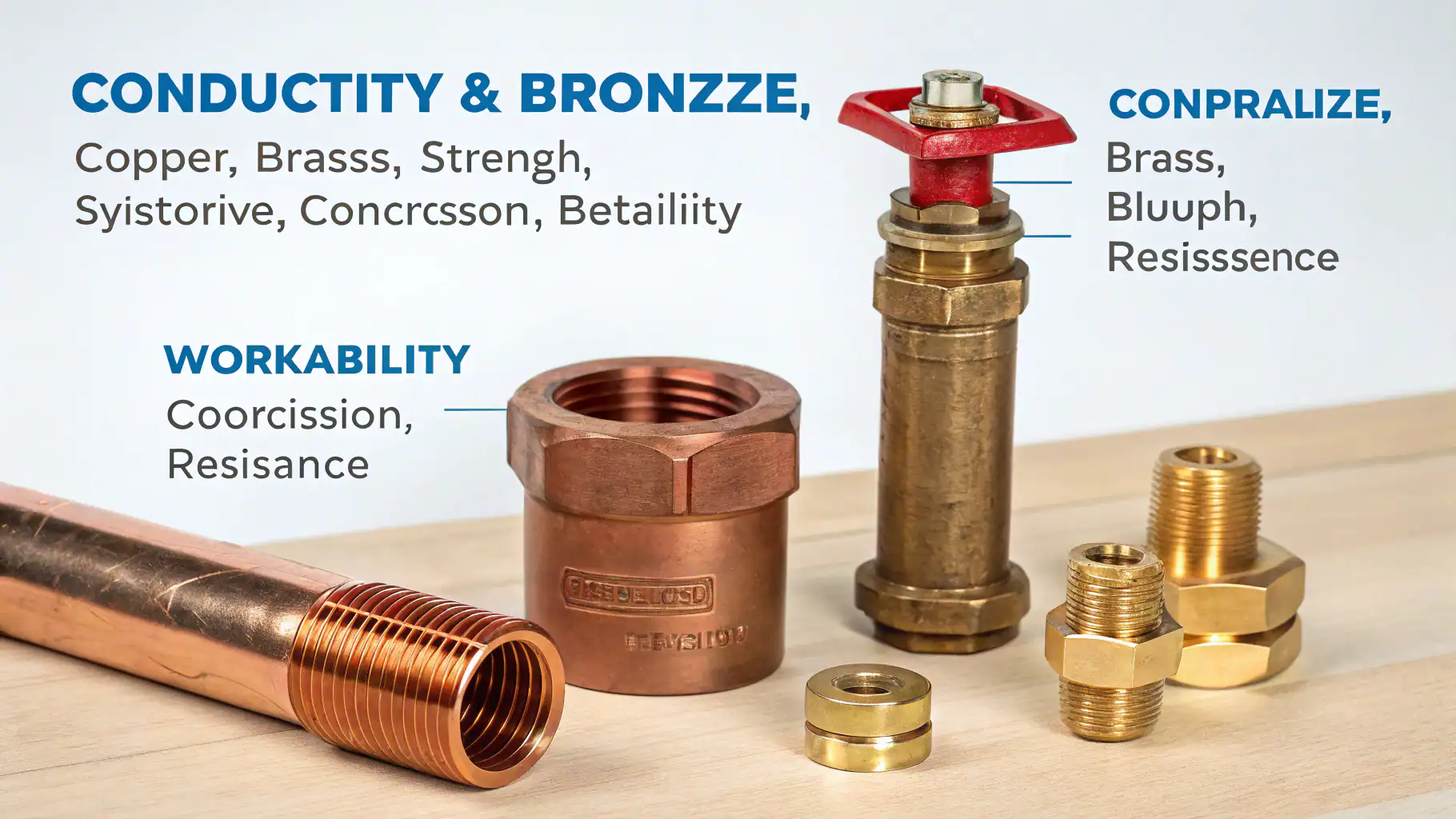
Metals for industry and art
Copper, brass, and bronze may look similar at first glance, but their unique properties set them apart. Understanding these differences can save you time and money in your projects.
These three metals each have distinct characteristics. Copper is known for its excellent conductivity, while brass offers strength and workability. Bronze stands out for its corrosion resistance and durability. Choosing the right metal depends on your specific needs.
Dive deeper into the world of these red metals. Discover how their compositions affect their applications in industries like electronics, plumbing, and art. Your project deserves the best material choice!
Copper is known for its excellent conductivity.True
Copper has high electrical and thermal conductivity.
Bronze offers strength and workability.False
Brass, not bronze, is known for workability.
What Are the Key Differences Between Copper, Brass, and Bronze?
Understanding the differences between copper, brass, and bronze can save you time and money in your projects. Each metal has unique properties that suit specific applications.
Copper is a pure metal known for its excellent electrical and thermal conductivity. It is often used in wiring and plumbing due to its strength and flexibility. Brass, an alloy of copper and zinc, offers enhanced durability and is commonly found in decorative items and musical instruments. Bronze, primarily made of copper and tin, is recognized for its hardness and corrosion resistance, making it ideal for sculptures and marine applications.
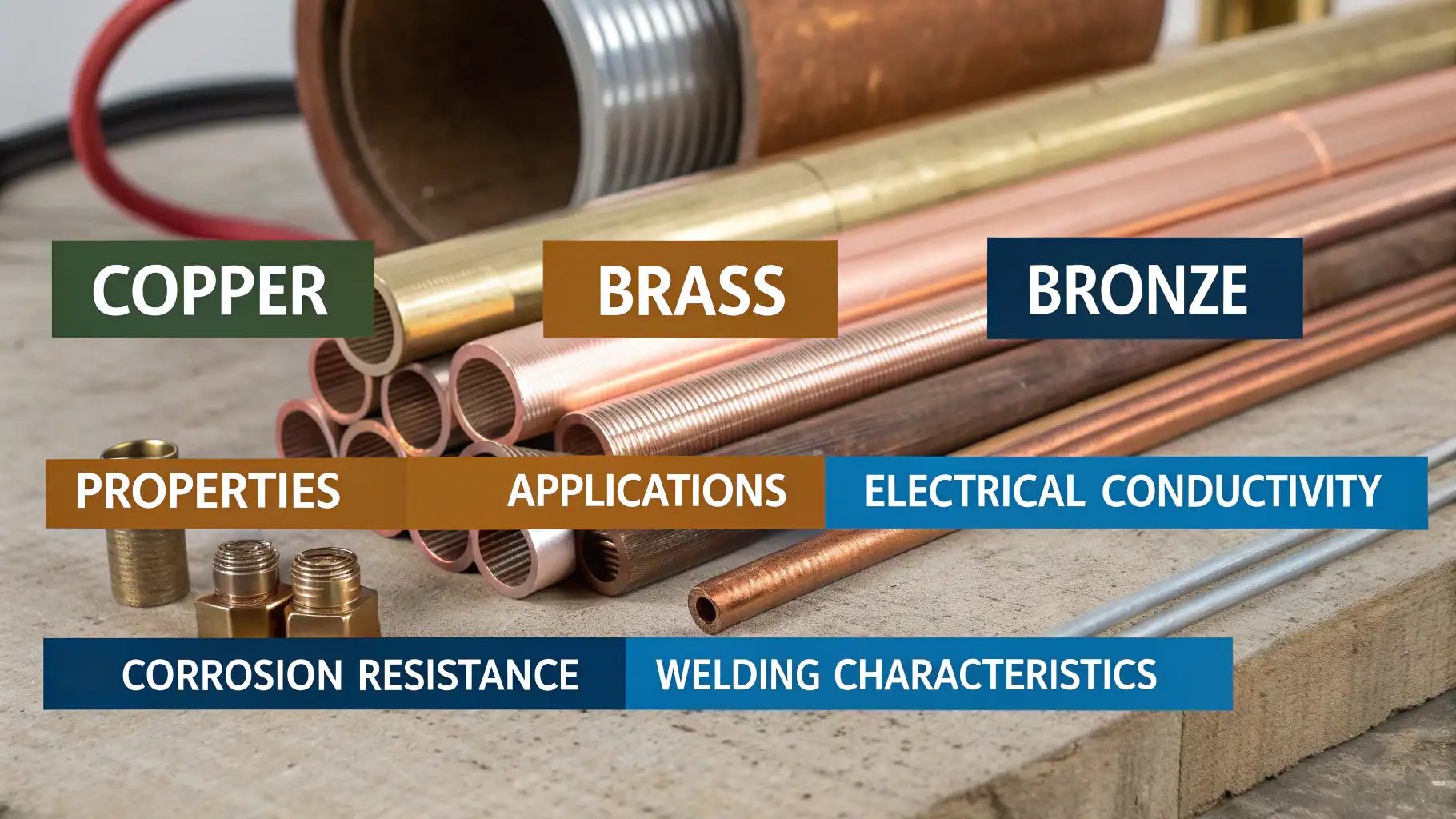
Copper vs Brass vs Bronze
Composition of Copper, Brass, and Bronze
Copper is a pure element with no other metals mixed in. Brass consists mainly of copper combined with zinc. The ratio of these two metals can change the color from red to yellow. Bronze is an alloy made from copper mixed with tin. This composition gives bronze its unique properties like higher strength compared to brass.
| Metal | Composition | Color |
|---|---|---|
| Copper | Pure copper | Reddish-brown |
| Brass | Copper + Zinc | Yellow-gold |
| Bronze | Copper + Tin | Dull gold |
Properties That Matter
Each metal has distinct physical properties that affect their use. Copper stands out for its high electrical conductivity at 100%. Brass follows at about 28%, while bronze lags behind at around 15%. In terms of weight, copper is the heaviest followed by bronze then brass. Understanding these properties helps in choosing the right material based on project needs.
Applications Across Industries
These metals are used in various industries due to their unique characteristics. For example:
- Copper: Ideal for electrical wiring because of its conductivity.
- Brass: Commonly used in musical instruments due to its workability.
- Bronze: Preferred for marine applications because it resists corrosion well.
Knowing where each metal excels can guide you in selecting the best option for your project.
Durability and Maintenance
Durability varies among these metals based on their composition. Bronze generally lasts longer than both brass and copper when exposed to harsh environments. However, all three require proper maintenance to ensure longevity. Regular cleaning can prevent corrosion or tarnishing over time.
Welding Characteristics
Welding capabilities differ among these metals as well:
- Copper: Good weldability but requires careful handling due to high thermal conductivity.
- Brass: Weldability depends on the specific alloy; some types are easier than others.
- Bronze: Generally weldable but may need special techniques like TIG welding.
Understanding how each metal behaves during welding can help avoid issues during fabrication processes.
By grasping these key differences between copper, brass, and bronze, you can make informed decisions that enhance your project’s success across various industries such as architecture or electronics.
Copper is often used in wiring and plumbing due to its strength and flexibility.True
Copper's conductivity and malleability make it ideal for these uses.
Bronze has higher electrical conductivity than brass.False
Brass has higher conductivity than bronze.
How Does Composition Affect the Properties of These Metals?
Understanding how the composition of metals influences their properties is crucial for making informed choices in various applications. This knowledge can save time and resources.
Copper, brass, and bronze differ significantly due to their elemental makeup. Copper is a pure metal known for its excellent conductivity. Brass, an alloy of copper and zinc, offers strength and versatility. Bronze, primarily composed of copper and tin, is recognized for its hardness and corrosion resistance.
Copper, Brass, Bronze Comparison
The Elemental Makeup of Copper
Copper is a pure element with atomic number 29. It has high electrical and thermal conductivity, making it ideal for wiring and plumbing applications. Its malleability allows it to be shaped easily without breaking. This property makes copper suitable for intricate designs in electronics as well as durable fixtures in kitchens and bathrooms.
The Strength of Brass
Brass consists mainly of copper (about 60-70%) mixed with zinc (30-40%). This combination enhances its strength compared to pure copper. Brass also exhibits good corrosion resistance but not as much as bronze. Its yellowish-golden hue makes it popular for decorative items like musical instruments and jewelry. Additionally, brass’s workability allows it to be molded into complex shapes easily.
The Durability of Bronze
Bronze is primarily made up of copper (around 90%) combined with tin (about 10%). This alloy provides superior hardness compared to both copper and brass. Bronze’s excellent corrosion resistance makes it suitable for marine applications where exposure to water is common. Sculptures made from bronze can last for centuries due to this durability.
Comparison Table: Properties of Copper, Brass, and Bronze
| Property | Copper | Brass | Bronze |
|---|---|---|---|
| Conductivity | Excellent | Good | Moderate |
| Corrosion Resistance | Moderate | Low | High |
| Malleability | High | Moderate | Low |
| Weight | Heaviest | Light | Medium |
| Weldability | Good | Varies | Generally good |
Applications Across Industries
The unique properties of these metals lead to different applications across various industries. For example, electrical engineers prefer copper for wiring due to its high conductivity. In contrast, architects might choose brass for aesthetic elements in buildings because of its attractive appearance. Meanwhile, marine engineers often select bronze for components exposed to seawater due to its corrosion-resistant qualities.
By understanding the elemental composition of these metals—copper’s purity, brass’s strength from zinc addition, and bronze’s durability from tin—professionals can make better decisions tailored to their specific project needs.
Copper is a pure metal known for its excellent conductivity.True
Copper's high electrical conductivity is well-documented.
Brass offers better corrosion resistance than bronze.False
Bronze has superior corrosion resistance compared to brass.
Which Metal Is Best for Your Project: Copper, Brass, or Bronze?
Choosing the right metal can make or break your project. Are you confused about whether to use copper, brass, or bronze? Let’s simplify it.
Copper is a pure metal known for its excellent electrical and thermal conductivity. Brass is an alloy of copper and zinc, offering strength and workability. Bronze, primarily made of copper and tin, boasts hardness and corrosion resistance. Each metal has unique traits that suit different applications.

Copper, Brass, Bronze Comparison
Understanding Copper
Copper is a versatile metal with outstanding properties. It excels in electrical and thermal conductivity, making it ideal for wiring and plumbing applications. Its malleability allows it to be shaped easily without breaking. This makes copper perfect for intricate designs in electronics or fixtures.
In terms of durability, copper is strong yet flexible. It can withstand various environmental conditions but may tarnish over time if not maintained properly. When welding copper, techniques like TIG welding are effective due to its good weldability. However, its high thermal conductivity can complicate maintaining a stable weld pool.
Exploring Brass
Brass combines copper with zinc to create a durable alloy that offers enhanced strength compared to pure copper. Its yellowish-golden appearance makes it popular for decorative items like jewelry and musical instruments. Brass is also cost-effective, making it an attractive option for many projects.
However, brass has lower corrosion resistance than bronze and may not perform well in harsh environments. The machinability of brass varies based on its composition; some types are easy to work with while others present challenges during machining processes.
Delving into Bronze
Bronze stands out as an alloy primarily composed of copper and tin. It is recognized for its superior hardness and excellent corrosion resistance, which makes it suitable for marine applications such as ship fittings or sculptures exposed to moisture.
While bronze is less workable than both copper and brass, its durability often outweighs this drawback in specific uses where strength matters most. Welding bronze requires careful techniques like oxy-fuel welding to avoid compromising the material’s properties during the process.
Comparing Key Properties
| Property | Copper | Brass | Bronze |
|---|---|---|---|
| Composition | Pure metal | Copper + Zinc | Copper + Tin |
| Conductivity | Excellent | Moderate | Low |
| Corrosion Resistance | Moderate | Low | High |
| Workability | High | Varies | Lower |
| Durability | Good | Good | Excellent |
Understanding these differences helps you choose the right metal based on your project’s requirements—be it strength, flexibility, cost-effectiveness, or application suitability across various industries like architecture or electronics.
Copper is a pure metal known for its excellent electrical and thermal conductivity.True
Copper's high conductivity makes it ideal for wiring.
Brass has higher corrosion resistance than bronze.False
Bronze has superior corrosion resistance compared to brass.
What Makes Each Metal Suitable for Different Industries?
Understanding the unique properties of metals can transform your project. Choosing the right metal is crucial for success in various industries.
Copper, brass, and bronze each have distinct characteristics that make them suitable for different applications. Copper excels in electrical conductivity, making it ideal for wiring and plumbing. Brass offers strength and workability, perfect for decorative items and musical instruments. Bronze, known for its hardness and corrosion resistance, is often used in marine applications.
Metals comparison and uses
Properties of Copper
Copper is a pure metal with excellent thermal and electrical conductivity. This makes it a top choice for electrical wiring and electronic components. Its malleability allows it to be easily shaped into various forms without breaking. Additionally, copper’s durability ensures long-lasting performance in plumbing fixtures.
Applications of Brass
Brass is an alloy made from copper and zinc. It has good strength but lower corrosion resistance compared to bronze or copper. This makes brass suitable for decorative items like doorknobs or musical instruments where aesthetics matter more than extreme durability. Its workability allows manufacturers to create intricate designs easily.
Advantages of Bronze
Bronze consists mainly of copper and tin, giving it superior hardness and corrosion resistance. These properties make bronze ideal for marine applications such as ship fittings or sculptures exposed to harsh environments. While less workable than brass or copper, its longevity makes it a preferred choice in demanding conditions.
Comparison Table: Key Characteristics
| Metal | Electrical Conductivity | Corrosion Resistance | Workability | Common Uses |
|---|---|---|---|---|
| Copper | 100% | Moderate | High | Wiring, plumbing |
| Brass | 28% | Low | Moderate | Decorative items, instruments |
| Bronze | 15% | High | Low | Marine applications |
Selecting the Right Metal
Choosing between these metals depends on specific project requirements such as strength, flexibility, cost-effectiveness, and application suitability across industries like architecture and electronics. Understanding their unique traits helps professionals select the best material for their needs effectively.
Copper is ideal for wiring due to its electrical conductivity.True
Copper has excellent electrical conductivity, making it suitable for wiring.
Brass has higher corrosion resistance than bronze.False
Bronze has higher corrosion resistance than brass.
How Do Conductivity and Corrosion Resistance Compare Among These Metals?
Understanding the differences in conductivity and corrosion resistance among metals is crucial for making informed material choices. This knowledge can save time and money in your projects.
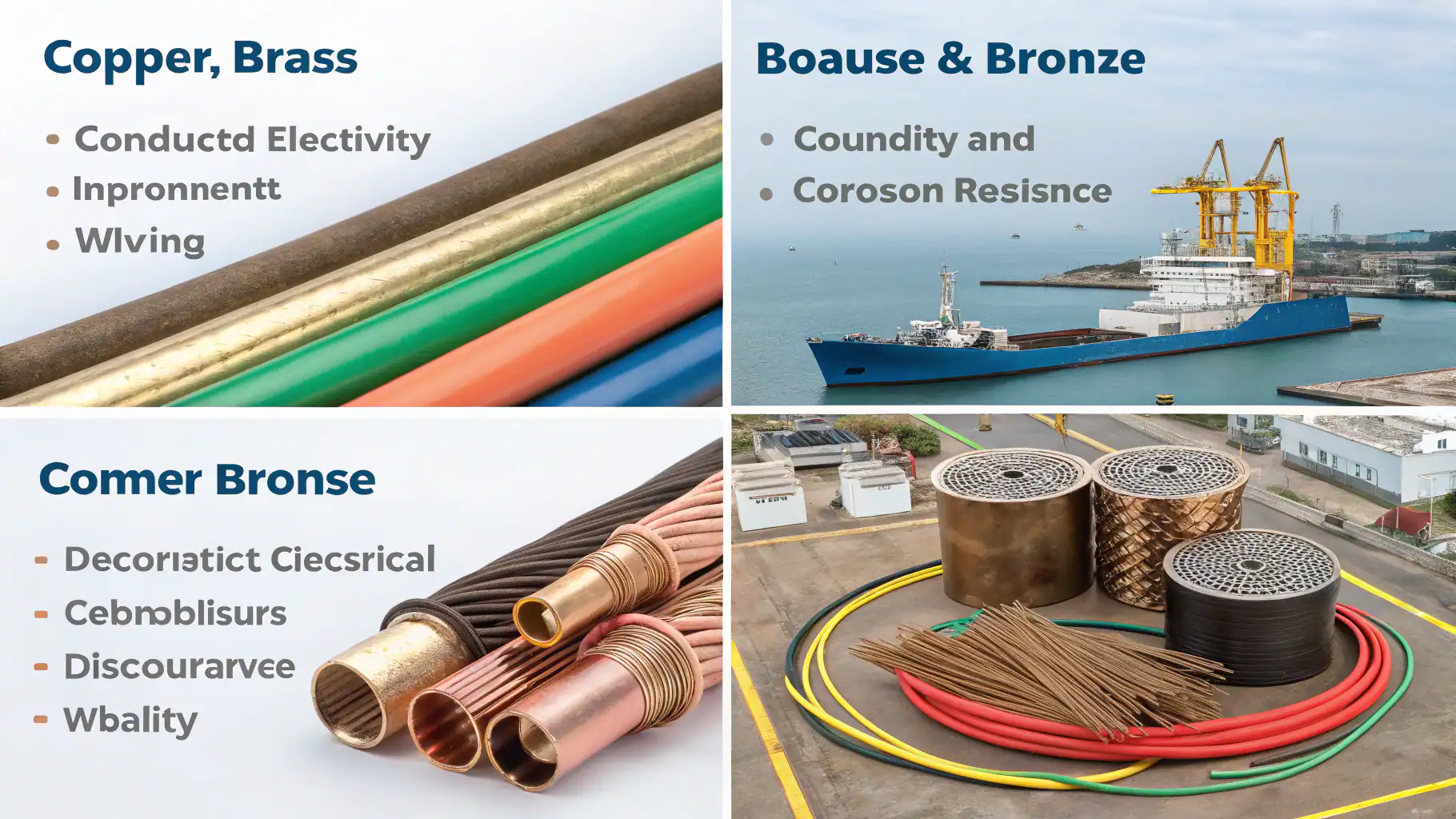
Brass, bronze, and copper are three metals with unique properties. Copper has the best electrical conductivity but lower corrosion resistance. Brass is less conductive than copper but offers good strength. Bronze excels in corrosion resistance, making it ideal for marine applications.
Metal conductivity and corrosion resistance
Electrical Conductivity of Copper, Brass, and Bronze
Copper stands out as the leader in electrical conductivity among these metals. It boasts a conductivity rating of 100%, making it the preferred choice for wiring and electronic components. Brass follows with about 28% conductivity due to its zinc content, while bronze lags behind at around 15%. This significant difference means that when electrical performance is critical, copper should be the go-to metal.
Corrosion Resistance: A Key Factor
Corrosion resistance varies greatly among these metals. Bronze is known for its superior ability to resist corrosion, especially in marine environments where saltwater exposure occurs. Its composition of copper and tin provides durability against oxidation. In contrast, brass has lower corrosion resistance due to its zinc content, which can corrode more easily under certain conditions. Copper also faces challenges with corrosion but performs better than brass.
Applications Based on Properties
The unique properties of each metal dictate their applications across various industries. Copper’s excellent conductivity makes it ideal for electrical wiring and plumbing fixtures. Brass is often used in decorative items and musical instruments due to its attractive appearance and workability. Bronze finds its niche in sculptures and marine hardware because of its hardness and corrosion resistance.
| Metal | Electrical Conductivity (%) | Corrosion Resistance | Common Uses |
|---|---|---|---|
| Copper | 100 | Moderate | Wiring, plumbing |
| Brass | 28 | Low | Decorative items, instruments |
| Bronze | 15 | High | Marine applications, sculptures |
Weight Considerations
Weight plays a role when selecting materials for specific projects. Copper is the heaviest among these three metals, followed by bronze and then brass. This weight difference can affect handling during manufacturing or installation processes.
Machinability: Ease of Use
Machinability varies significantly between these metals as well. Copper is highly machinable due to its malleability; it can be easily shaped without breaking or cracking. Brass presents some challenges depending on its alloy composition but generally allows for decent machinability. Conversely, bronze tends to be less machinable because of its hardness; specialized tools may be necessary for effective processing.
In conclusion, understanding how conductivity and corrosion resistance compare among copper, brass, and bronze helps professionals make informed decisions based on project requirements.
Copper has the best electrical conductivity among these metals.True
Copper's conductivity rating is 100%, higher than brass and bronze.
Bronze has lower corrosion resistance than brass.False
Bronze excels in corrosion resistance, especially in marine environments.
What Should You Consider When Choosing Between These Red Metals?
Choosing the right metal for your project can be overwhelming. Understanding the unique properties of copper, brass, and bronze is essential to make an informed decision.
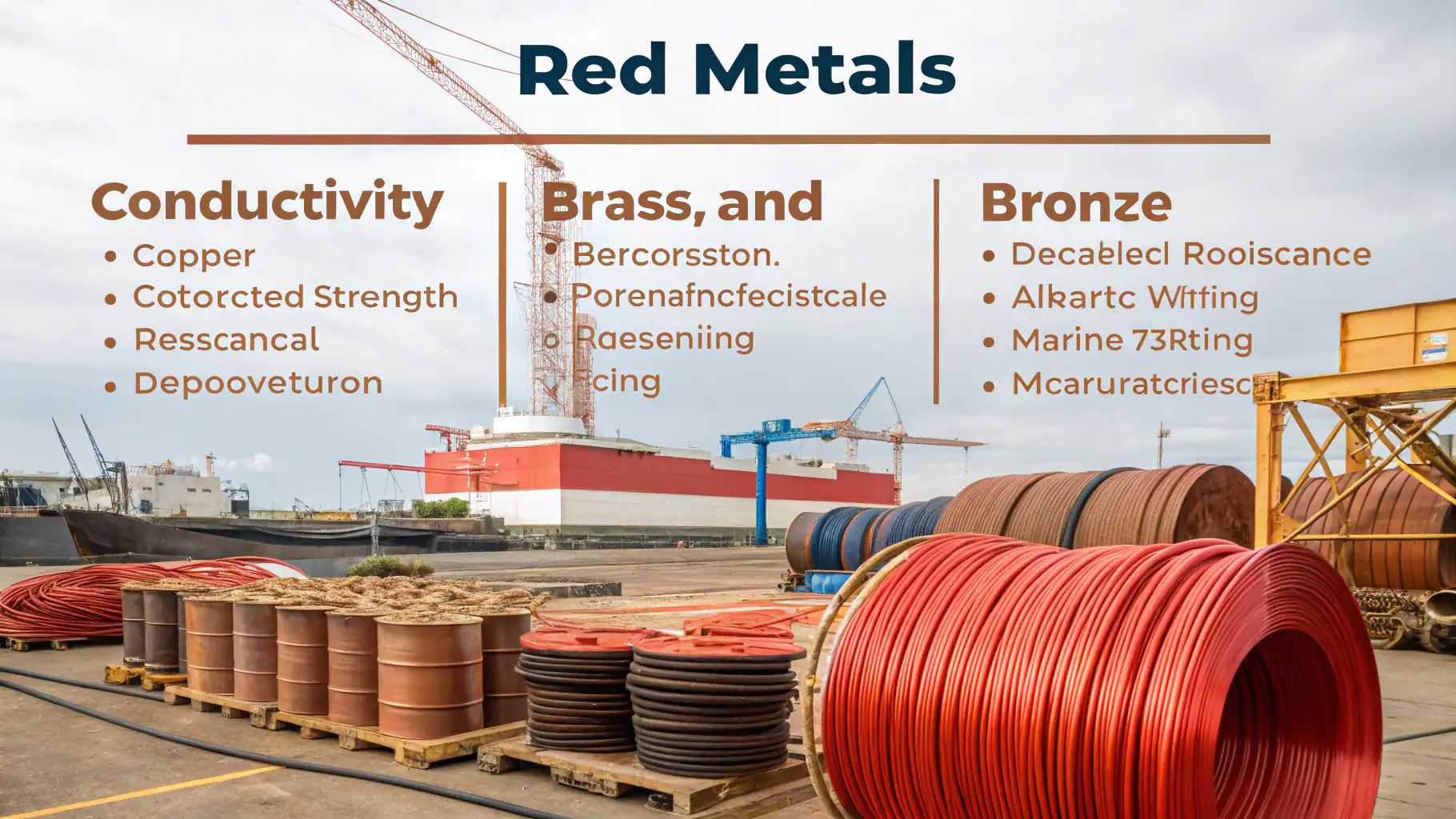
When selecting between red metals like copper, brass, and bronze, consider their conductivity, strength, workability, and corrosion resistance. Each metal has distinct characteristics that affect its suitability for various applications.
Red metals comparison
Understanding the Properties of Copper
Copper is a pure metal known for its excellent electrical and thermal conductivity. It is highly malleable and ductile, making it easy to shape into various forms. This property makes copper ideal for electrical wiring and plumbing applications. Its reddish-brown color adds aesthetic value in decorative fixtures as well. However, while copper is durable, it can corrode over time if not properly maintained.
The Strength of Brass
Brass is an alloy made from copper and zinc. It offers enhanced strength compared to pure copper but has lower corrosion resistance. Brass appears yellowish-golden and is often used in decorative items such as musical instruments due to its attractive finish. Its machinability varies based on the specific alloy composition; some types are easier to work with than others. While brass is cost-effective, it may not be suitable for all applications where high durability or corrosion resistance is required.
The Durability of Bronze
Bronze primarily consists of copper and tin. It exhibits superior hardness and corrosion resistance compared to both copper and brass. This makes bronze an excellent choice for marine applications or sculptures exposed to harsh environments. Although bronze is less workable than the other two metals, its longevity often justifies this trade-off in demanding projects.
Comparing Machinability Among the Metals
Machinability refers to how easily a material can be cut or shaped during manufacturing processes. Copper ranks highest in machinability due to its flexibility; however, care must be taken during welding because of its high thermal conductivity which can complicate weld stability. Brass generally presents more challenges in machining depending on its alloy composition while bronze requires specific techniques like oxy-fuel welding or TIG welding due to potential changes in surrounding material properties during fabrication.
| Metal | Conductivity | Corrosion Resistance | Machinability |
|---|---|---|---|
| Copper | Excellent | Moderate | High |
| Brass | Good | Low | Moderate |
| Bronze | Fair | Excellent | Low |
Application Suitability Across Industries
Each red metal serves different industries based on their unique properties. For example, electrical engineers prefer copper for wiring due to its superior conductivity. In contrast, architects might choose brass for decorative elements because of its aesthetic appeal while marine engineers favor bronze for components exposed to seawater due to its corrosion resistance.
Understanding these differences helps professionals select the right metal based on application requirements effectively.
Copper is ideal for electrical wiring due to its conductivity.True
Copper's excellent conductivity makes it suitable for wiring.
Bronze has lower corrosion resistance than brass.False
Bronze has superior corrosion resistance compared to brass.
Conclusion
Copper, brass, and bronze differ in conductivity, strength, workability, and corrosion resistance, making each suitable for specific applications.